Brelo Dispatch
01 — Editorial

Plate
Rhythm

Observations on post-meal alertness, midday food choices, and the quiet patterns that shape afternoon energy.

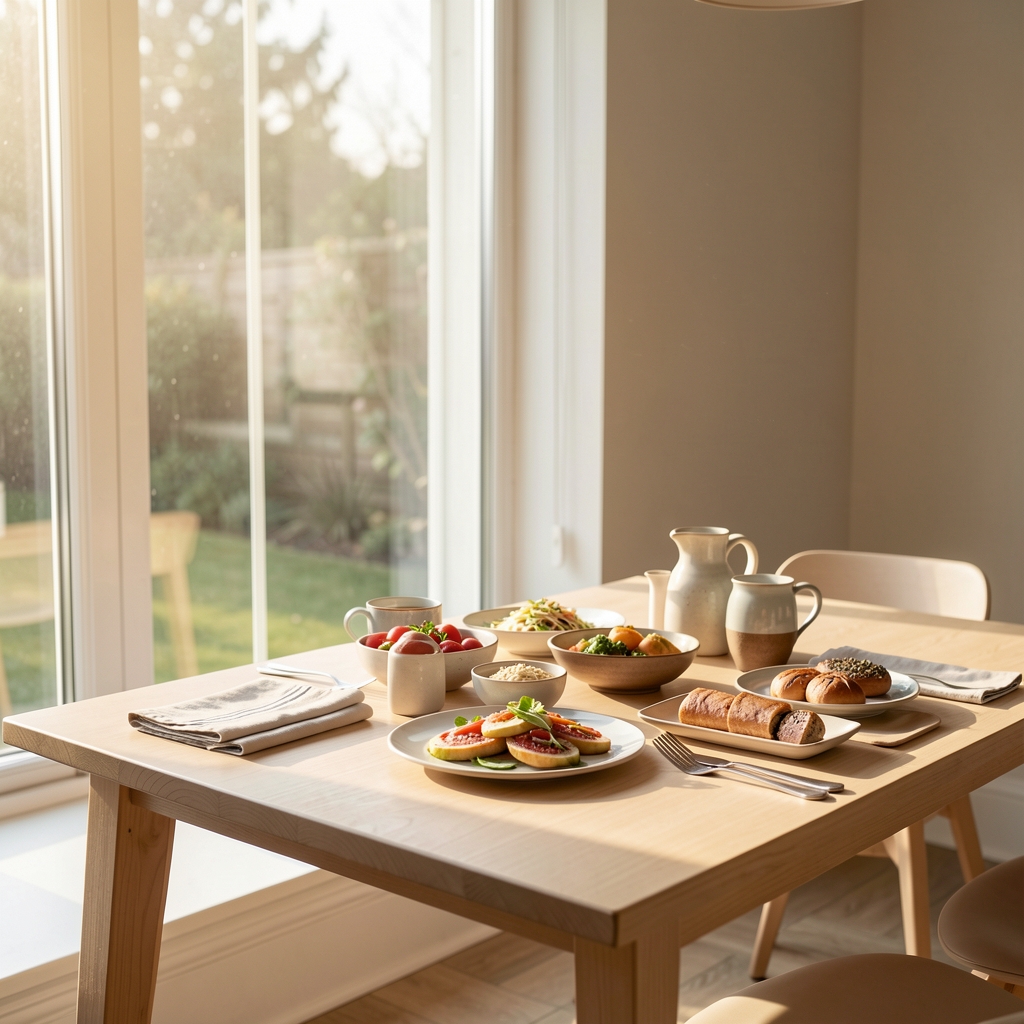
Afternoon light coming through a tall window onto a pale wooden table with a light meal arranged in natural tones
London, 2026 — Post-Meal Field Notes
Afternoon Energy Levels Post-Meal Alertness Food and Focus Lunch and Afternoon Slump Balanced Lunch Ideas Mindful Eating Steady Energy from Food Afternoon Energy Levels Post-Meal Alertness Food and Focus Lunch and Afternoon Slump Balanced Lunch Ideas Mindful Eating Steady Energy from Food
02 — Featured Reading

Current Articles

03

"There is a quiet arithmetic to how a meal lands in the afternoon hours. Not dramatic. Not absolute. Simply a pattern worth noticing — and writing down."

Brelo Dispatch — London, 2026
3
Featured Articles
12+
Keywords Observed
4
Weeks of Field Notes
2
Contributing Editors
04 — Topics Covered

What This Publication Observes

Afternoon Energy Levels

Observations on the energy available after midday and how lunch composition relates to sustained afternoon alertness.

Food and Concentration

A recurring inquiry into how food choices at midday relate to the quality of focus and mental clarity in the afternoon.

Eating Rhythm and Alertness

Notes on the timing and pace of lunch — including how a hurried or slow meal may shape the quality of the following working hours.

Whole Food Energy

Considerations of whole grains, vegetables, and protein-rich midday meals as they relate to steady post-meal energy patterns.

Balanced Lunch Ideas

Practical editorial observations on what a balanced midday meal looks like and how meal size relates to afternoon performance.

Editorial Standards

Every piece in this publication is reviewed before publication. Sources are cited where available and the approach remains evidence-informed.

05 — Common Questions

Frequently Asked

A selection of questions from readers about the publication and its editorial approach.

Brelo Dispatch is an independent editorial publication focused on the relationship between everyday food choices and afternoon energy. The publication observes how carbohydrate-rich lunches, protein content, meal size, and eating pace relate to post-meal alertness and focus. It is not affiliated with any commercial or institutional body.

Articles are written by our primary editors, Harriet Whitfield and Tobias Ashcroft, alongside invited guest contributors. Each piece is reviewed by a second editor before publication. Writers disclose any commercial relationships that might influence their subject matter selection.

Content is selected based on published nutritional research and reviewed for editorial accuracy. Where peer-reviewed literature is available, sources are cited directly. The publication takes an evidence-informed approach to the relationship between food and afternoon energy patterns.

No. Brelo Dispatch is an editorial publication. Articles reflect the writers' observations on everyday food choices and their relationship to afternoon energy and focus. The content is not intended as professional advice, nor as guidance for any specific condition. Readers with specific dietary concerns are encouraged to speak with a qualified wellness professional.

The publication follows an editorial calendar rather than a fixed weekly schedule. New long-form articles are added when the subject matter has been adequately researched and reviewed. Quality of observation takes precedence over volume of output.

Yes. The editorial team can be reached at [email protected] or by phone at +44 20 7492 6183. The office is located at 57 Spencer Street, London EC1V 3AE, United Kingdom, London EC1V 3JH, and is open Monday to Friday, 09:00 to 18:00.

06 — Our Approach

Evidence-Informed Observation

Brelo Dispatch takes a considered approach to writing about food and afternoon energy. Each article draws on published nutritional research and the writers' own sustained observation of eating patterns.

The publication does not make promises about outcomes. It records what has been observed, cites what is available in the literature, and leaves readers to draw their own considered conclusions.

Editorial Standards
Editorial desk with printed research papers, a notebook open to food notes, and a simple plate with seasonal ingredients in a well-lit London studio
07 — Get in Touch

Questions or contributions?